Spice Logistics
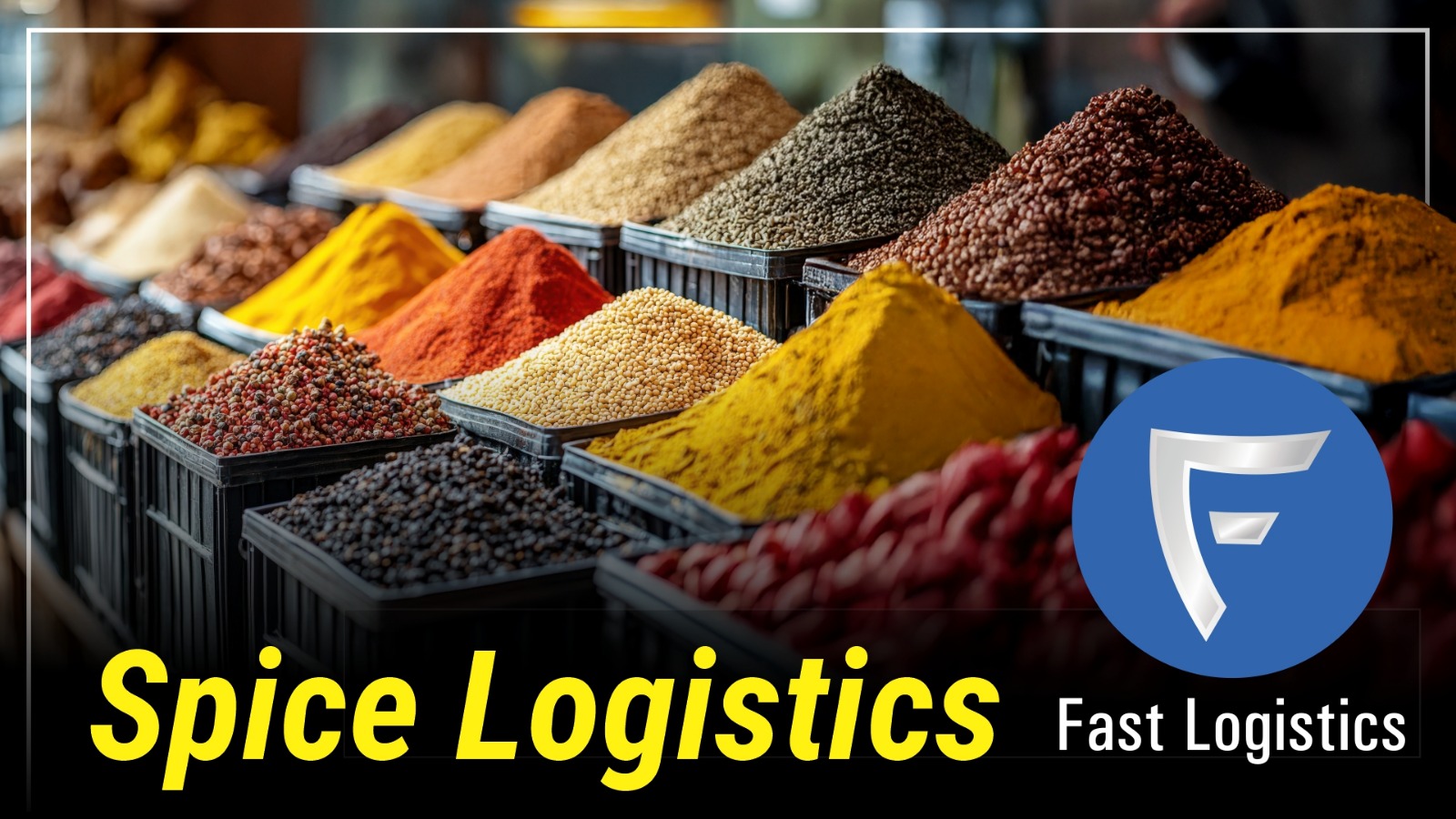
India is the world’s largest producer and exporter of spices, supplying aromatic ingredients that define cuisines across continents. From turmeric, cumin, and coriander to pepper, cardamom, and chilli, Indian spices travel long distances before reaching global markets. Ensuring these spices retain their freshness, aroma, and quality requires one critical element—expert spice logistics.
Understanding the Complexity of Spice Logistics
Though spices are dry commodities, they are highly sensitive to environmental conditions. Exposure to moisture, heat, pests, or contamination can degrade quality and lead to shipment rejection. This makes spice logistics a specialized segment within agri and food logistics.
Key challenges include:
- Moisture and humidity control
- Protection from cross-contamination
- Compliance with international food safety regulations
- Safe handling and storage
- Timely delivery to avoid quality loss
First-Mile Logistics: From Farm to Processing Units
The spice logistics journey begins at the source. Once harvested, spices undergo cleaning, drying, grading, and processing. Efficient first-mile logistics ensures:
- Quick movement from farms to processing centers
- Reduced exposure to moisture and pests
- Better inventory control and traceability
Well-planned inland transportation and warehousing are essential to maintain product integrity from the very beginning.
Packaging & Storage: Preserving Aroma and Quality
Proper packaging plays a vital role in spice exports. Depending on the spice type and destination, exporters use:
- Food-grade jute or laminated bags
- Cartons with moisture barriers
- Container liners and desiccants
Warehouses must be dry, ventilated, and pest-controlled to prevent spoilage. Temperature and humidity monitoring further protect spices during storage and consolidation.
Regulatory Compliance in Global Spice Trade
Spice exports are governed by strict domestic and international regulations. Logistics partners must manage:
- FSSAI, APEDA, and Spices Board of India compliance
- Phytosanitary certificates and fumigation
- Destination country standards such as FDA (USA) and EU food safety norms
- Accurate labeling and documentation
Expert documentation and customs handling help avoid delays, penalties, or shipment rejection.
Choosing the Right Freight Mode: Sea or Air
Spices are transported globally using both ocean and air freight, depending on shipment size and urgency:
- Ocean Freight is ideal for bulk spice exports, offering cost efficiency and containerized safety
- Air Freight suits high-value or time-sensitive spices where speed is critical
Selecting the right container type and routing ensures safe transit across long international routes.
Global Distribution & Last-Mile Delivery
Once shipped, spices move through ports, customs checkpoints, and distribution hubs worldwide. A strong global logistics network enables:
- Faster customs clearance
- Reduced transit risk
- Reliable last-mile delivery to importers, wholesalers, and food manufacturers
This ensures spices reach global markets fresh, aromatic, and ready for consumption.
Why Choose a Specialized Spice Logistics Partner
Spice exporters require more than basic transportation. A specialized logistics partner provides:
- End-to-end supply chain planning
- Product-specific handling expertise
- Real-time shipment visibility
- Risk management and quality assurance
At Fast Logistics, spice logistics is handled with precision, care, and deep industry understanding. From India’s spice-growing regions to international markets, every shipment is managed as a symbol of quality and trust.
Carrying India’s Essence Across Borders
Spices are more than trade commodities—they are India’s cultural legacy. Their global journey deserves logistics solutions that protect their authenticity at every step. With specialized spice logistics, global reach, and compliance-driven processes, Fast Logistics ensures India’s flavours reach the world—fresh, fragrant, and flawless.
FAQs on Spice Logistics
Spice logistics refers to the specialized transportation, storage, and handling of spices from origin to destination while preserving freshness, aroma, and quality. It involves food-grade packaging, moisture control, regulatory compliance, and international freight forwarding.
Spices are sensitive to moisture, heat, contamination, and pests. Unlike general cargo, spice logistics requires controlled storage conditions, proper ventilation, hygienic handling, and strict compliance with food safety regulations to prevent quality degradation.
Spices are transported internationally through ocean freight for bulk shipments and air freight for high-value or time-sensitive cargo.
Spice exports use food-grade packaging such as laminated bags, jute bags with liners, cartons, and moisture-barrier materials.