Heavy Freight Shipping
Not every shipment fits neatly into a container. Some projects demand the movement of massive, heavy, and oversized cargo that requires advanced planning, specialized equipment, and logistics expertise. This is where heavy freight shipping comes in — the backbone of industries that build the world’s infrastructure, fuel economies, and drive progress.
At its core, heavy freight shipping is about more than transport. It’s about precision, safety, and reliability when moving loads that are simply too large or too heavy for conventional shipping. From turbines and oil rigs to bridges and mining equipment, these shipments ensure industries keep running and projects keep advancing.
What is Heavy Freight Shipping?
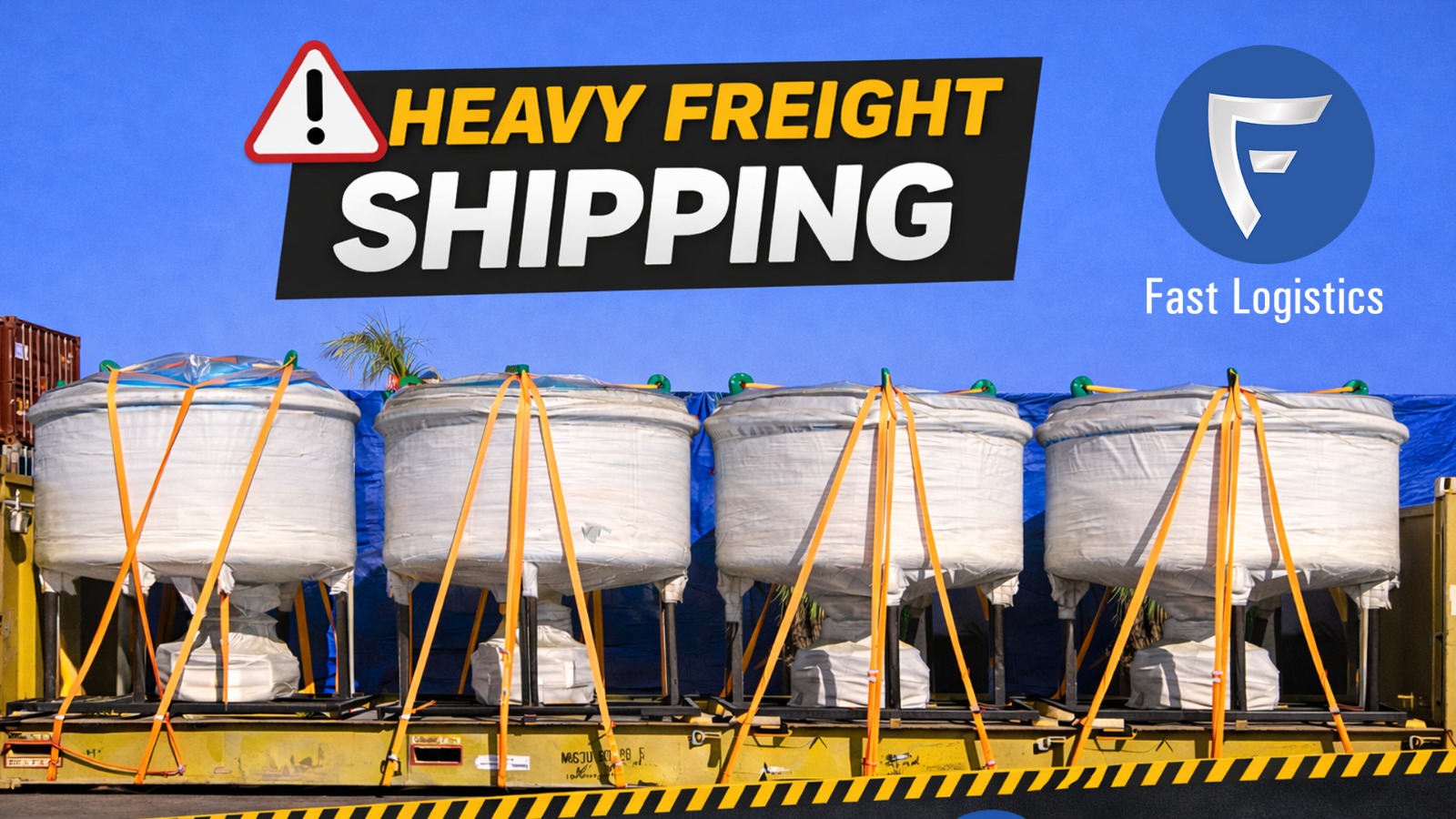
Heavy freight shipping refers to transporting over-dimensional, overweight, or specialized cargo that requires unique handling. Unlike standard shipping, these loads demand engineered logistics solutions.
Heavy cargo is often classified as:
- Over-Dimensional Cargo (ODC): Exceeds normal limits of length, width, or height.
- Heavy-Lift Cargo: Extremely heavy items like generators, transformers, or cranes.
- Project Cargo: Large-scale shipments for infrastructure, energy, or industrial projects.
How Heavy Freight Shipping Works
- Detailed Cargo Assessment – Size, weight, fragility, and value are evaluated.
- Customized Route Planning – Roads, ports, or air routes are checked for capacity.
- Specialized Transport – Using multi-axle trailers, low-bed trucks, heavy-lift vessels, and cranes.
- Permits & Regulations – Securing government approvals for over-dimensional cargo.
- Safe Handling – Precision lifting and loading to protect the cargo and ensure smooth transit.
Every move is carefully engineered to prevent risks and deliver shipments on time, intact, and secure.
Industries That Depend on Heavy Freight Shipping
Heavy freight shipping powers industries that shape the modern world:
- Construction & Infrastructure: Transporting bridges, metro structures, and plant equipment.
- Energy & Oilfield: Moving turbines, rigs, and pipelines.
- Mining & Metals: Shipping crushers, excavators, and industrial machines.
- Manufacturing & Industrial Projects: Delivering boilers, generators, and large-scale machinery.
Without heavy freight logistics, many of these industries would grind to a halt.
Why Heavy Freight Shipping Matters
Global growth relies on the ability to move the heaviest, most complex cargo safely and efficiently. Heavy freight shipping is not just about transport — it’s about enabling progress, innovation, and development across every sector.
By ensuring critical equipment reaches project sites on time, heavy freight shipping helps keep power plants running, factories operating, and cities building for the future.
Fast Logistics: Your Partner for Heavy Freight Shipping
At Fast Logistics, we move what others can’t. With expertise in heavy-lift logistics, project cargo, and specialized transport, we deliver safe, reliable, and cost-effective solutions for industries across the UAE, India, and global markets.
Whether it’s a turbine, heavy machinery, or oversized industrial project, our team ensures your cargo is handled with precision, compliance, and care.
📦 Fast Logistics – Strength in Motion, Precision in Delivery.
FAQ-
Heavy freight shipping is the transport of oversized, overweight, or specialized cargo that requires custom logistics solutions, specialized equipment, and permits to move safely and efficiently.
Heavy freight typically includes Over-Dimensional Cargo (ODC), heavy-lift cargo such as turbines and cranes, and project cargo used in large-scale infrastructure or industrial projects.
Industries like construction, energy and oilfield, mining and metals, and manufacturing depend on heavy freight shipping to transport large machinery, infrastructure components, and industrial equipment.
Fast Logistics offers end-to-end services including cargo assessment, route planning, specialized transport, permit management, and safe handling to ensure timely and secure delivery of heavy freight.
Specialized equipment such as multi-axle trailers, low-bed trucks, heavy-lift vessels, and cranes are required to safely transport and handle the size and weight of heavy cargo that cannot be moved by standard methods.