Freight Forwarding
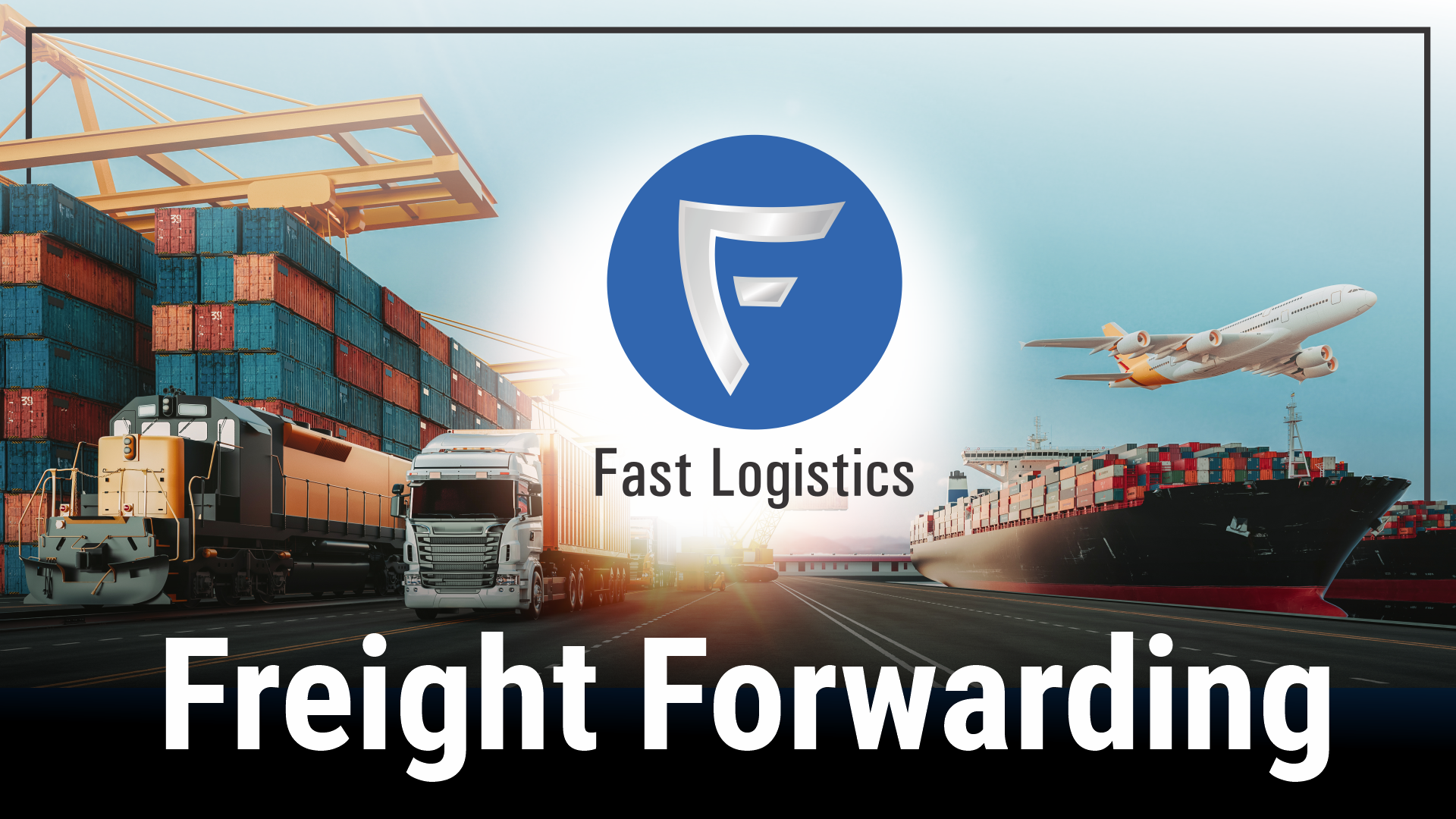
Freight forwarding plays a major role in keeping global trade moving smoothly. Whether you’re a small business shipping products overseas or a large company managing regular cargo movements, freight forwarding ensures your goods reach the right place, at the right time, and in the right condition. This blog will help you understand what freight forwarding is and why it’s essential in international logistics.
What Is Freight Forwarding?
Freight forwarding is the process of planning, managing, and coordinating the movement of goods from one location to another—across countries or continents.
A freight forwarder is an expert who handles all shipping-related activities on behalf of the shipper, including documentation, customs clearance, transportation, warehousing, and coordination with carriers.
In simple words: Freight forwarding = hassle-free transportation of goods from Point A to Point B.
How Freight Forwarding Works?
1. Shipment Planning: The customer shares details like cargo type, weight, dimensions, destination, and timeline.
2. Documentation Preparation: The freight forwarder prepares required documents such as:
- Commercial Invoice
- Packing List
- Bill of Lading / Air Waybill
- Certificates (if applicable)
3. Cargo Pickup: Cargo is collected from the supplier or warehouse and moved to a port, airport, or consolidation point.
4. Customs Clearance: Both export and import customs processes are handled to ensure compliance with regulations.
5. Transportation: Goods are shipped through air freight, sea freight, land transport, or a combination of modes.
6. Cargo Tracking: The forwarder keeps the customer updated about movement, delays, and estimated arrival.
7. Final Delivery: Once cargo reaches the destination, customs is cleared, and goods are delivered to the final address.
Key Functions of a Freight Forwarder
- Arranging transportation (air, sea, land)
- Managing documents and compliance
- Handling customs clearance
- Providing cargo insurance
- Consolidation and deconsolidation of shipments
- Warehousing and distribution
- Tracking and monitoring shipment status
- Coordinating with carriers, ports, and authorities
Types of Freight Forwarding
1. Air Freight Forwarding: Fastest method for urgent and high-value shipments.
2. Sea Freight Forwarding: Affordable for heavy, bulk, or large-volume cargo (FCL/LCL).
3. Road Freight Forwarding: Useful for domestic or regional cargo movement.
4. Rail Freight Forwarding: Eco-friendly and cost-effective for long distances.
5. Project Cargo Forwarding: For oversized, heavy, or special machinery.
6. Dangerous Goods Forwarding: Handling chemicals, batteries, and hazardous materials safely and legally.
Key Facts About Freight Forwarding
Freight forwarders play a crucial role in global shipping even though they don’t own ships, planes, or trucks. Instead, they manage the entire logistics process by working as reliable middlemen between shippers and carriers. Their greatest strengths lie in handling documentation, ensuring compliance, and managing customs clearance, which can otherwise be very complex for businesses. With their expertise, a good freight forwarder helps reduce delays, avoid penalties, and prevent unnecessary expenses—making the shipping process faster, smoother, and more cost-effective.
How Technology Is Changing Freight Forwarding
Modern freight forwarding has become smarter and faster through:
- AI-based shipment tracking
- Digital documentation
- Online booking systems
- Automated customs processes
- Real-time visibility platforms
- Data-driven route optimization
Technology is reducing delays, improving accuracy, and making logistics more transparent for businesses.
Freight forwarding is the backbone of global logistics. It ensures smooth cargo movement across borders with proper planning, documentation, and coordination. Whether it’s air, sea, road, or rail, a freight forwarder helps businesses ship confidently and efficiently.
About Fast Logistics
With a strong global presence and a commitment to innovation, Fast Logistics is more than just a service provider—we’re a logistics partner. From warehousing and distribution to global freight solutions, we handle every aspect of logistics so our clients can focus on growth. Our expertise spans across air, ocean, and road freight, ensuring that businesses have reliable, cost-effective, and time-efficient solutions.
If you’re looking for a logistics partner that understands your business and delivers beyond expectations, Fast Logistics is ready to help. Let’s move forward together!
FAQ-
No. A freight forwarder manages and coordinates the shipment, while carriers (like shipping lines or airlines) physically move the cargo.
Yes. They prepare documents, file declarations, and ensure the shipment complies with regulations.
Yes. Both businesses and individuals can ship through a freight forwarder.
Fast Logistics provides reliable, secure, and professional freight services backed by global expertise, strong networks, and a commitment to customer satisfaction.