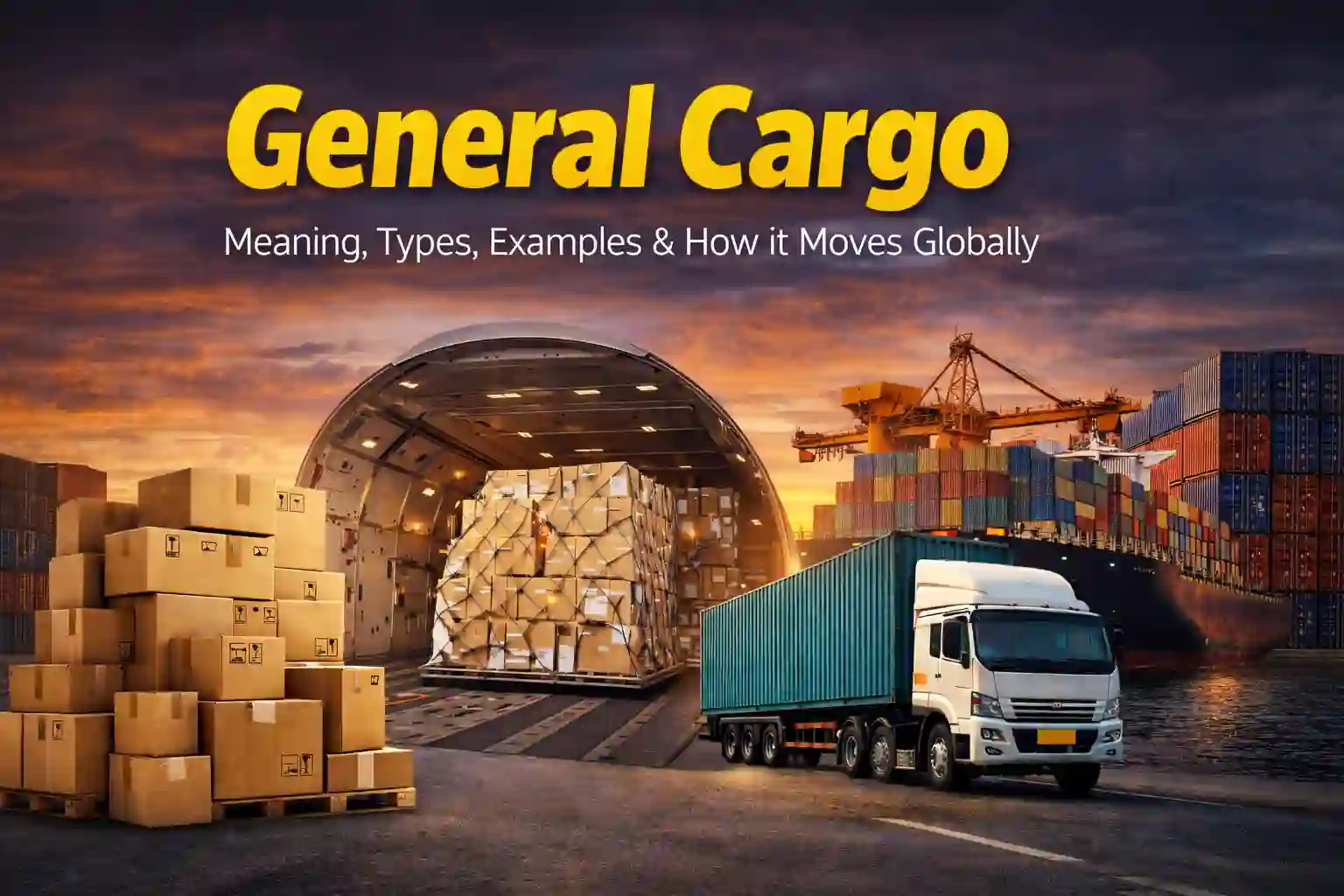
General Cargo
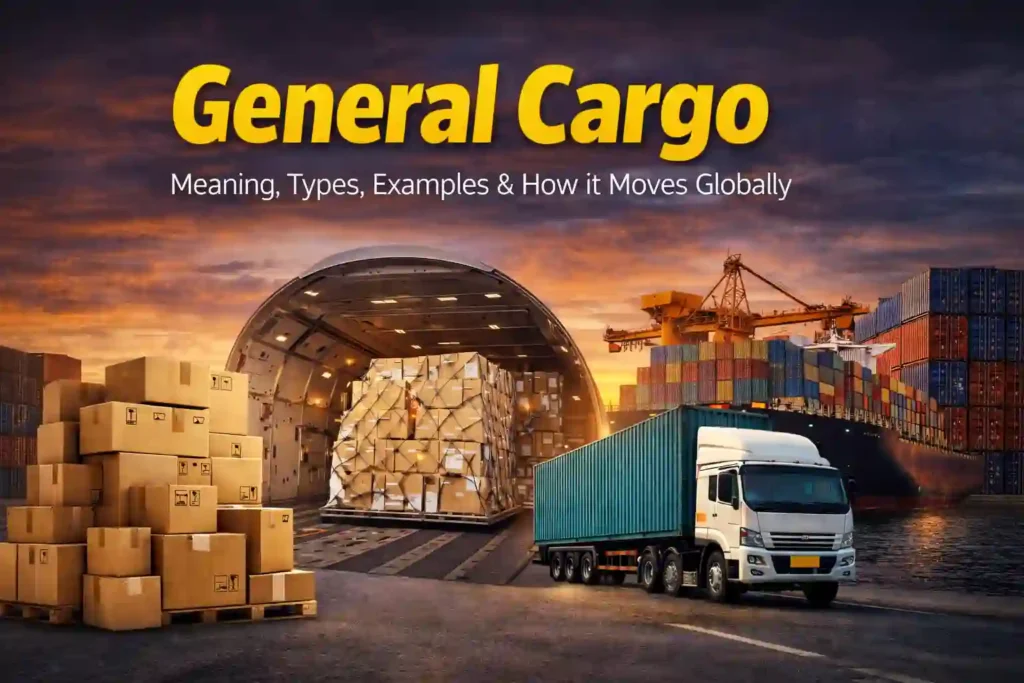
General Cargo plays a vital role in the world of logistics. From machinery parts to packaged consumer goods, businesses transport these everyday items across cities, countries, and continents. Understanding general cargo helps you make smarter shipping decisions. Whether you own a business, manage supply chain, or logistics enthusiast,.
This importance becomes even more evident in 2026, as freight rates begin to stabilize due to expanding global shipping capacity, the introduction of new vessels, and the reopening of critical trade routes such as the Red Sea and the Suez Canal. Global trade data shows that containerized shipping carries the majority of manufactured and consumer goods, making it the dominant mode of transport for general cargo. With over 80% of global trade by volume moving by sea and a significant share transported in containers, general cargo remains central to sustaining international commerce and global supply chains.
What is General Cargo?
It refers to goods that companies pack, handle, and transport in individual units such as cartons, boxes, pallets, crates, or bags. These goods do not require special handling like temperature control or hazardous material compliance. It suits containerized shipping, allowing companies to transport it efficiently by rail, road, and sea.
Types of GC
- Consumer goods
- Industrial equipment and spare parts
- Textile garments and footwears
- Auto component and engineering goods
- Packaged food items [non-perishable]

Why General Cargo Matters in Logistics
- Supports MSMEs and large enterprises alike
- Enables faster inventory movement
- Reduces handling complexity
- Fits well with multimodal transport systems
Transportation method used?
| Road Transport | Used for domestic movement and last-mile delivery. |
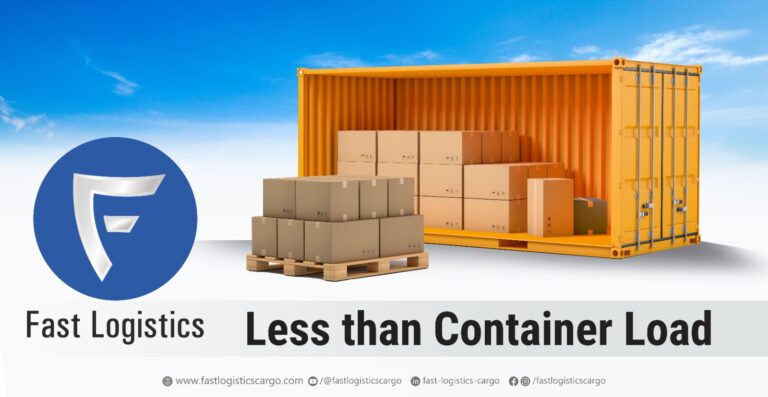
| Sea Freight: | Companies often ship it in containers (FCL or LCL), making sea transport a cost-effective option for international trade |
| Air Freight: | Preferred for urgent or high-value cargo such as electronics or spare parts. |
| Rail Transport: | Ideal for bulk domestic movement across long distances within India. |
FAQ’s
GC includes packaged goods transported as individual units without special handling needs.
Yes.
Yes.
Absolutely, especially for urgent or high-value shipments.
Yes, it is common for exported cargo types.
Companies require only standard shipping and customs documents.
Conclusion
GC is the backbone of modern logistics, offering flexibility, efficiency, and scalability for businesses of all sizes. From domestic distribution to international trade, it keeps supply chains moving without complexity. If you’re planning to ship standard goods reliably and cost-effectively, it is often the smartest choice.