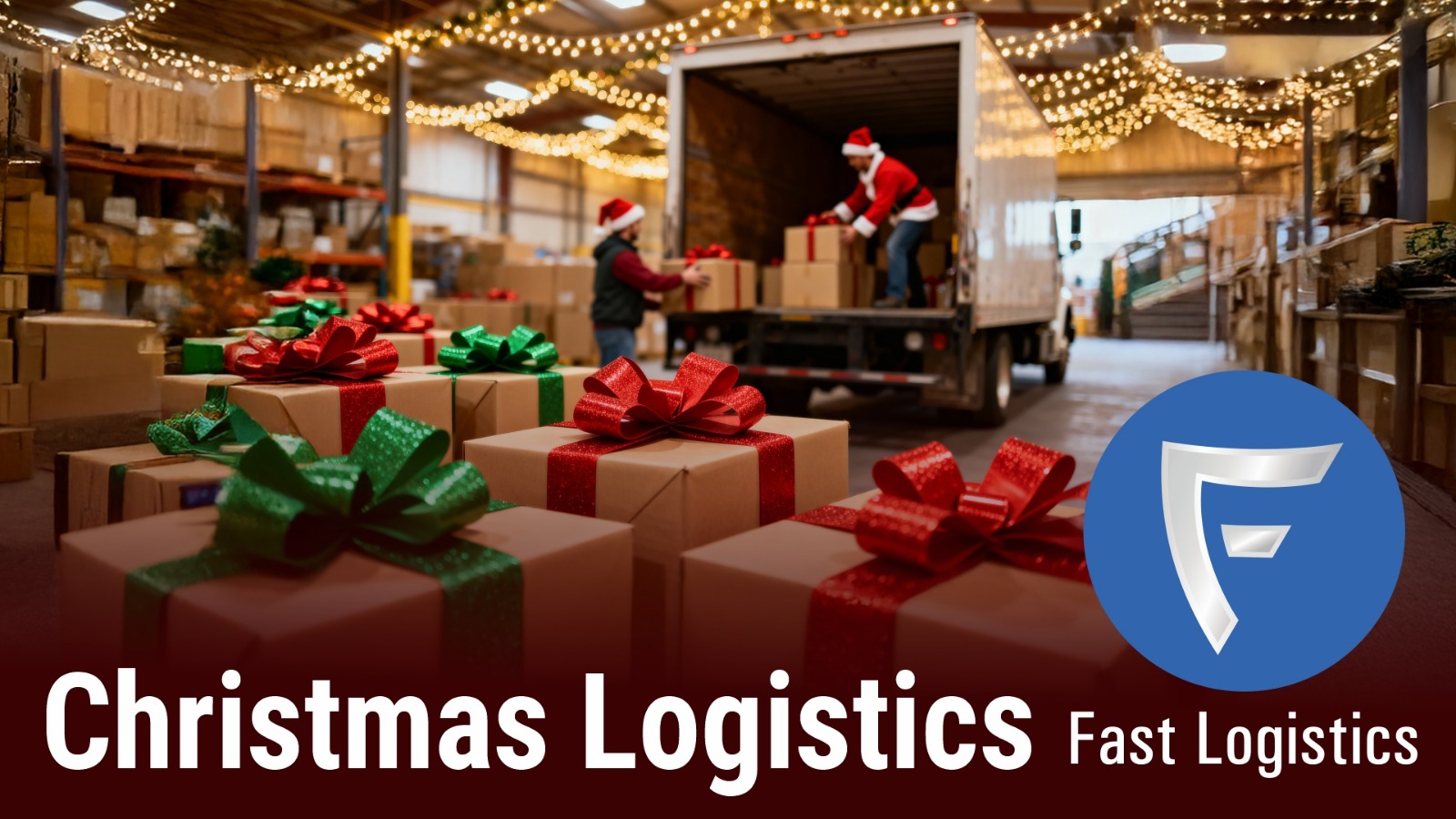
Christmas Logistics
Delivering the Season: How Christmas Logistics Keeps the World Celebrating
As the countdown to Christmas begins, homes fill with lights, stores with festive displays, and online carts with last-minute gifts. But behind every perfectly timed delivery lies an enormous, carefully coordinated system — the Christmas supply chain.
For businesses across the globe, Christmas is not just a celebration; it’s the most demanding logistics season of the year. Success depends on early planning, flawless execution, and the ability to adapt quickly in a high-pressure environment.
Why Christmas Logistics Requires Special Planning
Unlike regular shipping cycles, Christmas logistics operates under extreme time sensitivity. Demand surges dramatically, delivery windows shrink, and customer expectations reach their peak. A single delay can lead to missed celebrations, empty shelves, and disappointed customers.
To avoid this, companies begin planning festive logistics months in advance — aligning suppliers, production schedules, transport capacity, and inventory levels to ensure goods arrive exactly when they’re needed.
How the Holiday Season Shapes Global Supply Chains
- Demand Forecasting & Sales Planning
The holiday season puts demand prediction under the spotlight. Businesses study past sales patterns, seasonal trends, and evolving customer preferences to estimate product requirements well before the festive rush begins. Getting these numbers right helps avoid stock shortages and overproduction.
- Manufacturing Timelines & Readiness
Christmas-driven demand pushes manufacturers to start production months in advance. From toys and decorations to electronics and seasonal food items, factories must align raw material availability, labour, and production schedules to keep pace with holiday expectations.
- International Sourcing & Freight Coordination
Festive products often travel long distances before reaching store shelves. Managing holiday shipments means coordinating multiple freight modes—ocean, air, rail, and road—to ensure goods move smoothly from global suppliers to regional markets without delays.
- Warehousing & Inventory Management
Warehouses transform into fast-moving distribution hubs during the festive period. Efficient space utilization, quick order processing, and streamlined inventory control are critical to handle the surge in stock and fulfilment demands.
- Transport Networks Under Pressure
Peak season brings congestion across ports, airports, and highways. Limited carrier capacity and tight delivery windows make transport planning more complex, often requiring flexible routing and multimodal logistics solutions to stay on schedule.
- Last-Mile Delivery Challenges
Holiday shopping heavily increases doorstep deliveries. Managing the final mile becomes crucial, as high parcel volumes, short delivery promises, and customer expectations leave little room for error during the festive season.
Common Challenges in Christmas Supply Chains
The festive season brings unique risks, including:
- Sudden spikes in consumer demand
- Risk of stock shortages or overstocking
- Congestion across transport networks
- Weather-related disruptions
- Increased post-Christmas returns
Managing these challenges requires flexibility, strong coordination, and real-time visibility across the supply chain.
Smart Solutions for Managing Christmas Demand
To stay ahead during the holiday rush, businesses adopt several proven strategies:
- Balancing just-in-time inventory with buffer stock
- Diversifying suppliers to reduce dependency risks
- Maintaining flexible production and dispatch schedules
- Working with experienced logistics partners who can scale capacity quickly
- Using logistics technology for inventory tracking and planning
- Ensuring clear communication across suppliers, carriers, and distributors
These measures help minimize disruptions and keep operations running smoothly.
Why Early Planning Makes All the Difference
Proactive planning is the key to stress-free Christmas logistics. When supply chains are mapped early, businesses can respond faster to unexpected challenges, control costs more effectively, and maintain customer satisfaction throughout the festive season.
A well-planned Christmas supply chain not only ensures timely deliveries but also supports marketing campaigns, promotions, and sales strategies — turning logistics into a competitive advantage rather than a bottleneck.
Keeping the Spirit of Christmas Moving
Christmas logistics isn’t just about transporting goods. It’s about making sure celebrations happen on time, families receive their gifts, and businesses deliver on their promises.
When logistics works seamlessly, the season feels effortless — and that’s the true success of a well-managed Christmas supply chain.
🎄 Because when everything arrives on time, Christmas feels just right.
Frequently Asked Questions (FAQ)
Christmas logistics refers to planning and managing supply chains during the holiday season to meet peak demand and tight delivery deadlines.
Demand spikes, limited transport capacity, congestion, weather disruptions, and high return volumes make logistics more complex.
Ports, airports, and roads experience heavy congestion, leading to longer transit times and higher freight costs.
It’s the final step to the customer, where delays directly affect customer satisfaction and brand reputation.
Yes, air freight is often used for urgent and high-value shipments due to tight delivery timelines.